Nordischer Klang: Der Countdown für die 33. Ausgabe des Kultur- und Musikfestivals läuft


Inzwischen ist es Tradition und diese verpflichtet, wie man weiß: Zum 33. Mal werden zahlreiche Kulturschaffende

Nordeuropa-Magazin





Tere tulemast Eestisse! – Neuigkeiten aus und über Estland. Ein Blick auf die Esten, ihre Lebensart, auf das, was sie beschäftigt und bewegt. Estlands Kultur, Natur, Wirtschaft und Politik.

Inzwischen ist es Tradition und diese verpflichtet, wie man weiß: Zum 33. Mal werden zahlreiche Kulturschaffende
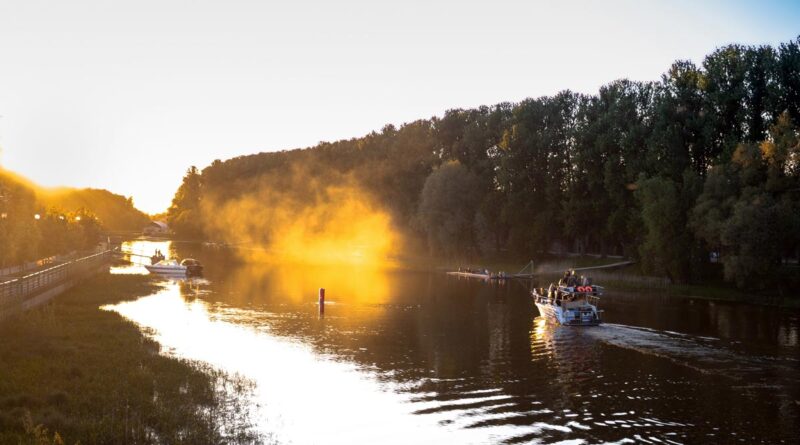
In diesem Sommer wird in Tartu ein neuer Hafen am Fluss Emajõgi gebaut. Ziel ist es,
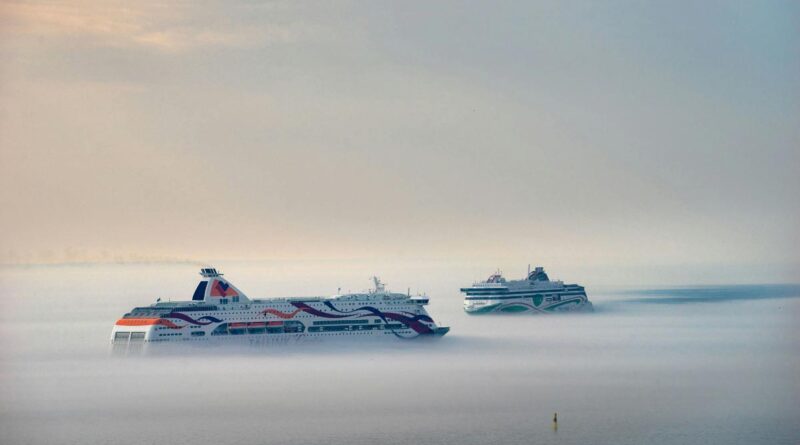
Der Kreuzfahrttourismus in der Ostsee erholt sich nach Corona langsam wieder. In der Folge werden in
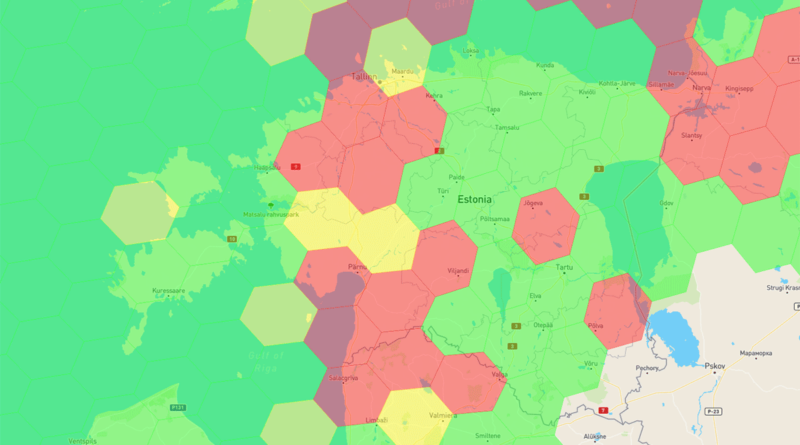
Nach Angaben der nationalen Flugsicherung haben GPS-Störungen in Estland zuletzt deutlich zugenommen. „Dies ist wahrscheinlich darauf
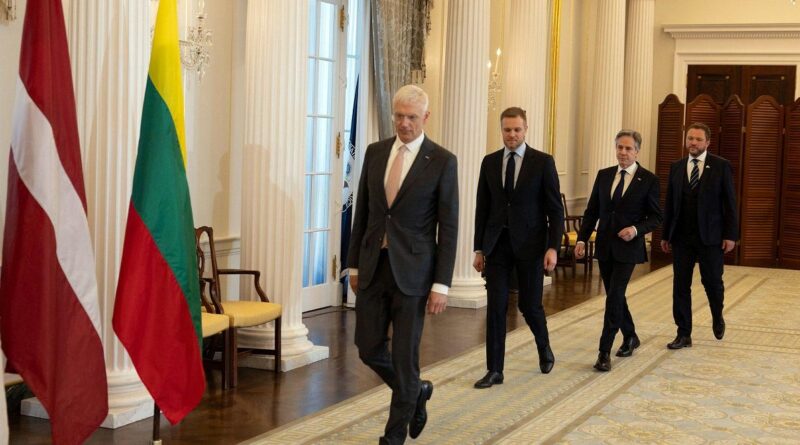
US-Außenminister Antony Blinken (Demokraten) traf sich zu Beginn dieser Woche in Washington mit den Außenministern der
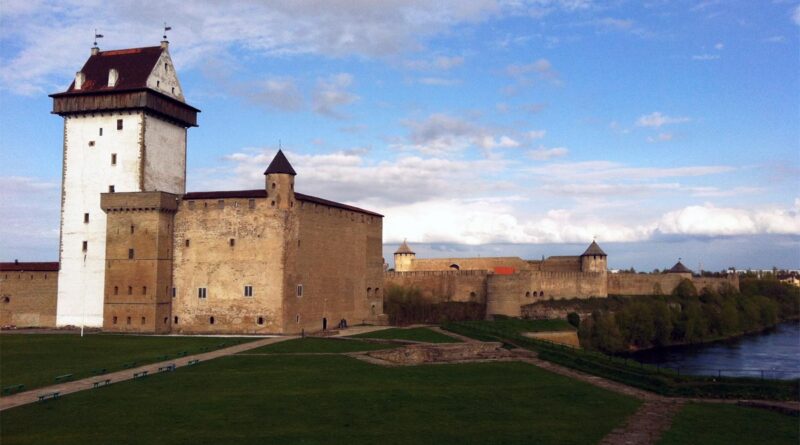
Estlands östlichster Landkreis Ida-Viru hat große Ziele. Die Nachbarregion Russlands strebt an, nach der Hauptstadt Tallinn
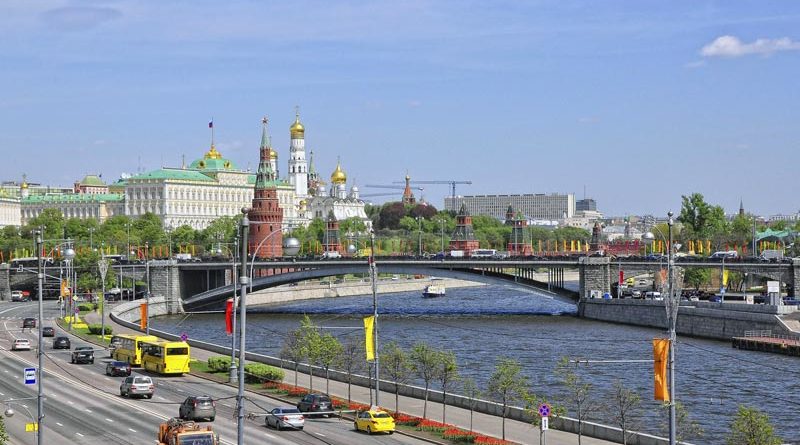
Bei dem Terroranschlag auf ein Moskauer Veranstaltungszentrum wurden am Freitag auf bestialische Weise über 130 Menschen
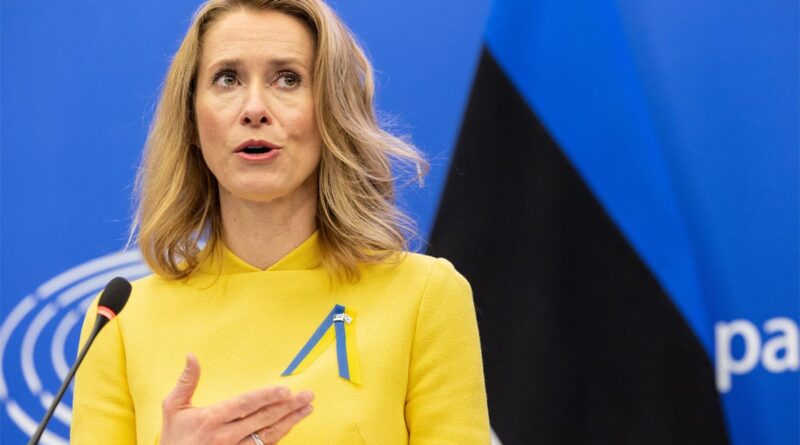
Die estnische Regierungschefin Kaja Kallas gab diese Woche in Brüssel bemerkenswerte Einblicke in ihre Gedankenwelt. Mit
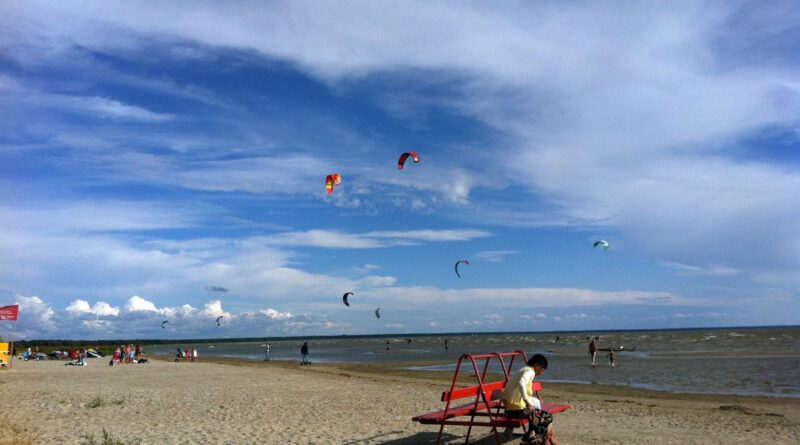
Estland, Finnland und Island sind drei von nur sieben Nationen weltweit, deren Luftqualität die – nicht
Zehntausende in Estland lebende Russen sind am Wochenende aufgerufen, an der – nun ja – Präsidentschaftswahl
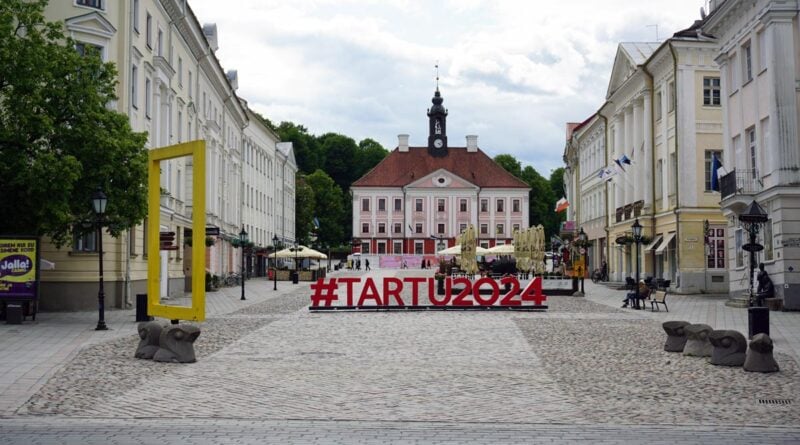
Estland und Lettland haben sich darauf verständigt, schnellstmöglich eine grenzübergreifende Zugverbindung von Rīga nach Tartu einzusetzen.

Laut Medienberichten waren am vergangenen Wochenende viele staatliche Institutionen Estlands von Cyberattacken bedroht. Es soll sich
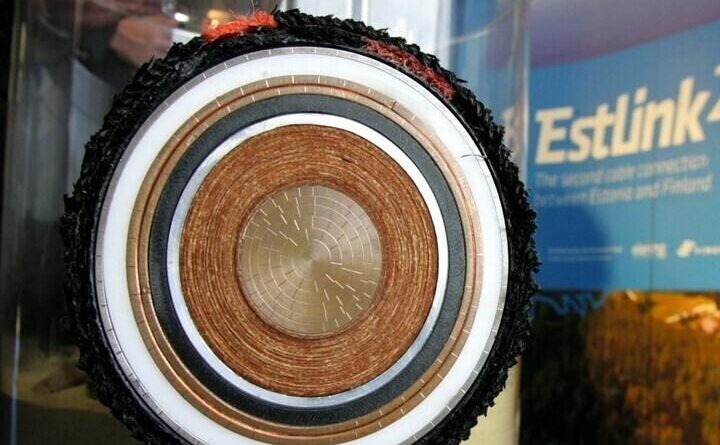
Der zunächst sagenumwobene Schaden am estnisch-finnischen Unterseekabel EstLink 2 ist endgültig geklärt. Verursacher des Ausfalls war

Die estnische Hauptstadt Tallinn hat einen neuen Leitfaden mit dem Titel „Sexual Harassment-Free Nightlife“ veröffentlicht. Das
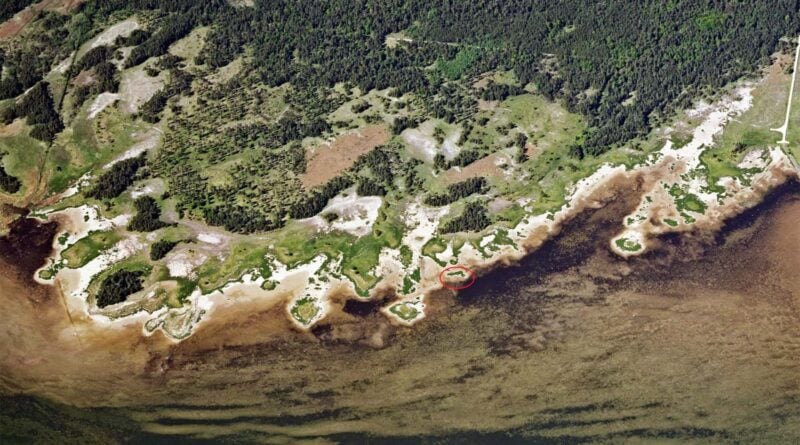
Keine Sorge, in Estland tobt kein Krieg, es gab auch keine Naturkatastrophe apokalyptischen Ausmaßes. Es gibt
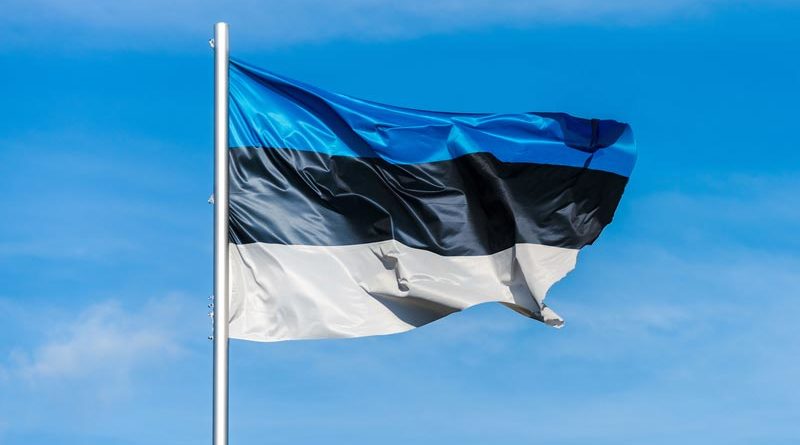
Der 106. Unabhängigkeitstag Estlands begann traditionell mit dem Hissen der Nationalflagge vor der Burg (Toompea) auf
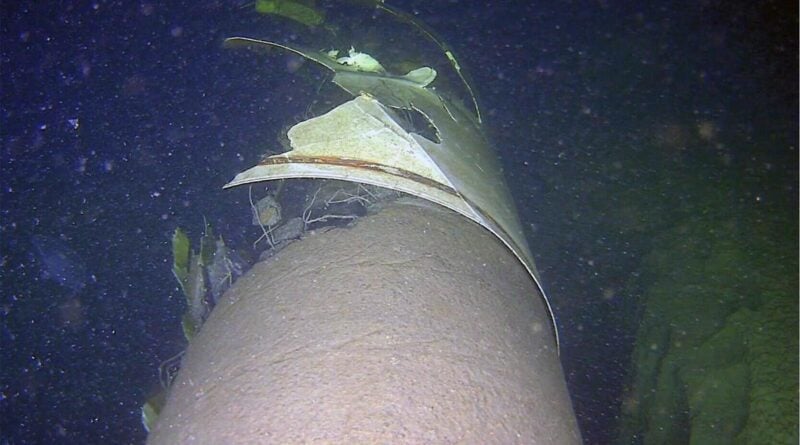
Die Beschädigung der Balticconnector-Gaspipeline im Oktober 2023 löste international große Irritationen aus, da es sich nach
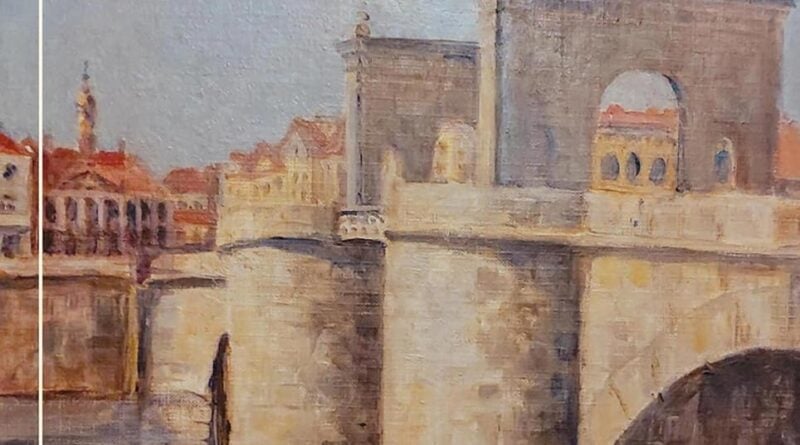
Dorpat sei „wohl der beste Wohnort der Welt“, sagen Anti Selart und Mati Laur. Die kleine
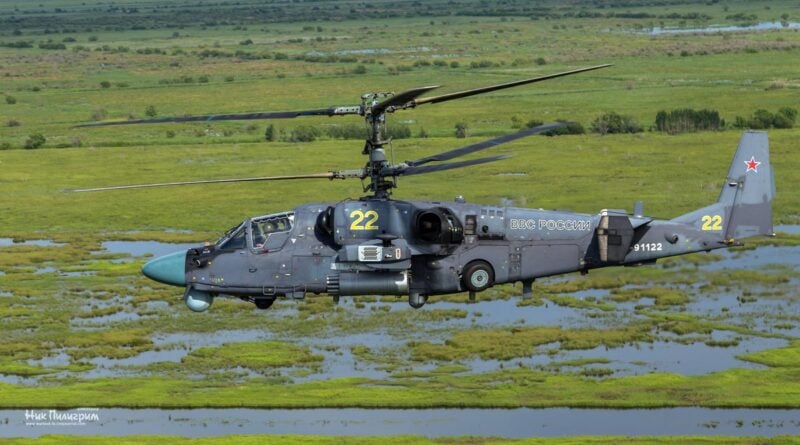
Der estnische Auslandsnachrichtendienst warnt davor, dass Russland die Zahl seiner Truppen an der Westgrenze zu den

Russland hat eine neue Eskalationsstufe in Richtung der baltischen Staaten gezündet und – unter anderem –
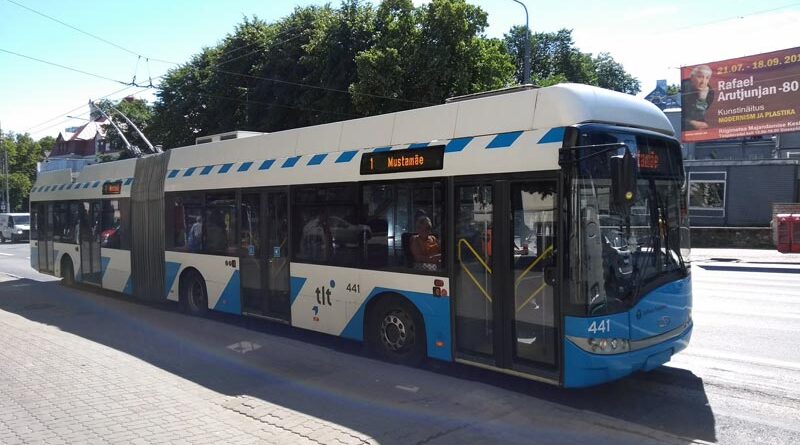
Die Stadtverwaltung von Tallinn hat beschlossen, 40 batteriebetriebene Trolleybusse zu kaufen und das in die Jahre


